
Our
Products
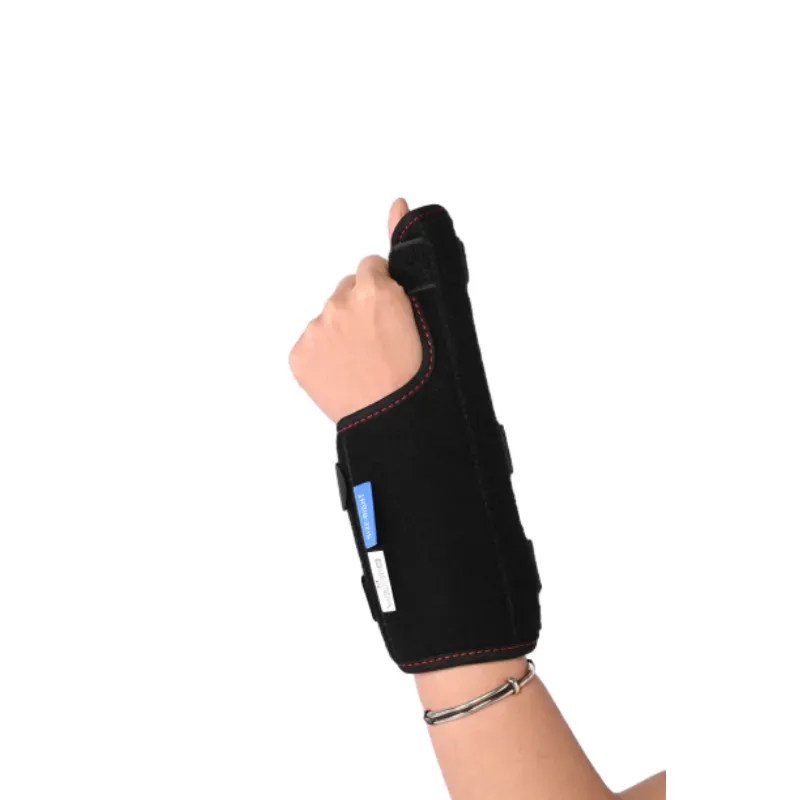
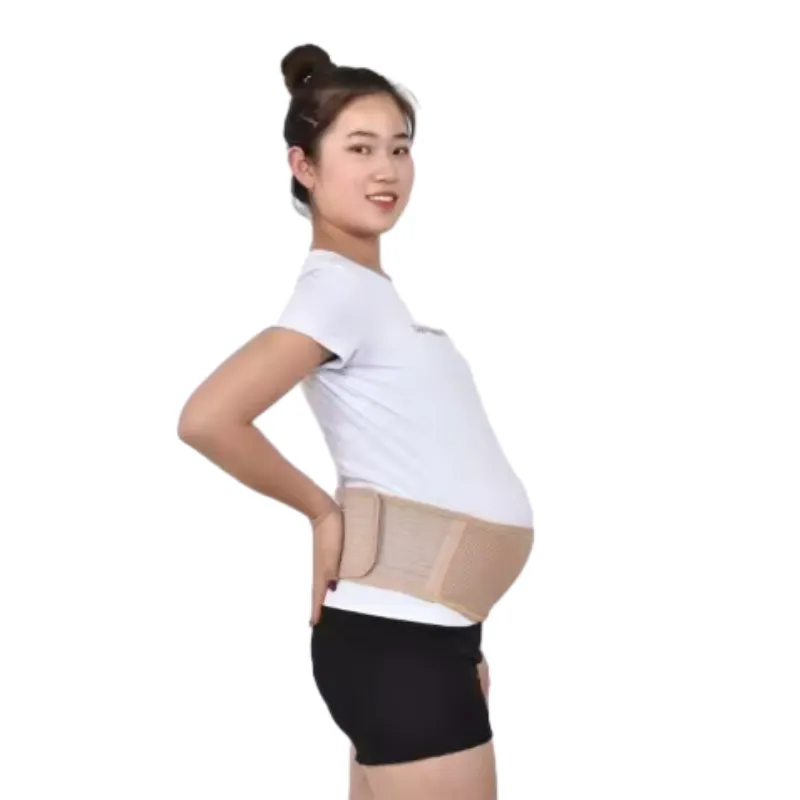

what are hand braces used for
Introduction to Advanced Wrist Bracing Solutions In the realm of orthopedic support and rehabilitation, the development of advanced bracing solutions plays a pivotal role. A high-quality a wrist brace offers critical support for a myriad of conditions, ranging from acute injuries to chronic ailments. These devices are engineered to provide stability, reduce pain, and facilitate healing, thereby improving patient outcomes and quality of life. For B2B decision-makers and medical professionals, understanding the intricate details of material science, manufacturing precision, and clinical efficacy is paramount in selecting optimal solutions for their practices and patients. This comprehensive overview delves into the technical specifications, application versatility, and strategic advantages of modern wrist bracing technology, emphasizing the commitment to innovation and patient care that defines leading manufacturers in this specialized field. Industry Trends & Market Landscape in Orthopedic Bracing The orthopedic bracing market is characterized by continuous innovation, driven by demands for enhanced patient comfort, superior therapeutic outcomes, and increased durability. Key trends influencing the development of a modern wrist brace include: Advancements in Materials Science: The integration of lightweight, breathable, and hypoallergenic materials, such as advanced composites, silicone, and moisture-wicking fabrics, is enhancing patient compliance and reducing skin irritation. Ergonomic and Anatomical Design: A shift towards designs that meticulously follow the natural contours of the human anatomy, ensuring optimal fit and targeted support, is critical. This includes specialized designs for a brace for left wrist or a right wrist brace , tailored for specific anatomical nuances. Smart Bracing Technologies: Emerging trends include the incorporation of sensors for monitoring patient activity, adherence, and even biofeedback, although this is still in nascent stages for conventional wrist braces. Customization and Personalization: The demand for tailored solutions, particularly for complex orthopedic conditions or specific athletic requirements, is growing. This involves advanced manufacturing techniques like 3D printing for custom-fit components. Sustainability: Increasing focus on environmentally friendly manufacturing processes and recyclable materials reflects a broader industry commitment to sustainability. According to a report by Grand View Research, the global orthopedic braces and supports market size was valued at USD 5.2 billion in 2022 and is expected to grow at a compound annual growth rate (CAGR) of 6.5% from 2023 to 2030, driven by the rising prevalence of orthopedic conditions and sports injuries. This robust growth underscores the critical need for high-quality, technically advanced solutions. Manufacturing Process & Quality Assurance for a Wrist Brace The production of a sophisticated wrist brace demands stringent quality control and precision engineering. The manufacturing process is a multi-stage operation designed to ensure product integrity, patient safety, and optimal therapeutic efficacy. Process Flow: Material Selection & Sourcing: High-grade medical-approved materials are rigorously selected. This includes advanced fabrics (e.g., Neoprene, Lycra, breathable meshes), rigid components (e.g., medical-grade aluminum, thermoplastics like polypropylene or polyethylene), straps (e.g., hook-and-loop fasteners), and padding. All materials must undergo biocompatibility testing. Component Manufacturing: Fabric Cutting: Precision CNC cutting machines are utilized to cut fabric components according to exact patterns, minimizing waste and ensuring consistent sizing. Rigid Component Formation: For elements like palmar or dorsal stays, processes like injection molding (for thermoplastics) or metal forming (for aluminum stays) are employed. CNC machining ensures precise shaping and smooth edges. Assembly & Stitching: Skilled technicians assemble the various components. Industrial sewing machines are used for durable, reinforced stitching, crucial for the longevity and structural integrity of the brace. Ergonomic considerations are maintained throughout. Quality Control & Testing: Each wrist brace undergoes multiple layers of quality inspection. Dimensional Accuracy: Verification against design specifications. Material Integrity: Checks for defects, tears, or inconsistencies. Stitch Strength: Ensuring seams can withstand repeated stress. Functional Testing: Assessment of adjustability, strap security, and overall fit. Sterilization (if applicable): For certain medical applications, sterilization protocols are followed. Packaging & Labeling: Products are packaged securely with clear labeling, including instructions for use and relevant medical device identifiers. Testing Standards: All manufacturing adheres to international standards such as ISO 13485 (Medical Devices Quality Management Systems) and complies with regulatory bodies like the FDA (U.S.) and CE (Europe). This ensures not only product efficacy but also patient safety and traceability. Service Life: Designed for an extended service life under typical usage conditions, materials are selected for resistance to wear, fatigue, and environmental factors, ensuring sustained support and comfort for 6-12 months of daily use, depending on patient activity levels and care. Target Medical Specialties: Our advanced bracing solutions cater extensively to medical specialties wrist brace needs, including Orthopedics, Sports Medicine, Physical Therapy, Occupational Therapy, and Geriatrics. Advantages in Typical Application Scenarios: The rigorous manufacturing process ensures advantages such as enhanced patient comfort through breathable materials, effective stabilization for accelerated healing, and long-term durability, reducing the need for frequent replacements. Figure 1: Precision manufacturing for an orthopedic wrist brace. Technical Specifications & Design Parameters Understanding the technical specifications of a wrist brace is crucial for medical professionals to ensure optimal patient fit and therapeutic efficacy. Key parameters include material composition, anatomical design, adjustability, and support mechanisms. Product Specification Table: Advanced Wrist Brace Feature Specification Model Name JH-WRIST-PRO (Left/Right Specific) Material Composition Medical-grade Neoprene (60%), Nylon (20%), Aluminum Splint (15%), Hook-and-loop Fasteners (5%) Splint Type Removable/Moldable Palmar Aluminum Stay (6061 T6 Alloy) Support Level Moderate to Firm (Adjustable) Available Sizes S, M, L, XL (Wrist Circumference 13-23 cm) Breathability Index 8/10 (High airflow mesh zones) Weight (Size M) Approximately 85-110 grams Cleaning Instructions Hand wash with mild soap, air dry. Splint removable for cleaning. Certifications ISO 13485, CE, FDA Registered The design emphasis on a neutral wrist brace ensures optimal anatomical alignment, which is critical for reducing pressure on the median nerve in conditions like Carpal Tunnel Syndrome, and for promoting correct healing post-injury. Furthermore, the selection of materials is not only for support but also for thermal regulation and moisture management, key factors in patient comfort during extended wear. Application Scenarios & Usage Case Studies The versatility of a well-designed wrist brace extends across a broad spectrum of medical and rehabilitative applications. Understanding these scenarios is vital for optimizing patient care and ensuring appropriate product selection. Carpal Tunnel Syndrome (CTS): A neutral position wrist brace is highly effective in alleviating symptoms by reducing pressure on the median nerve, especially during sleep. Studies show that nighttime splinting significantly reduces pain and improves function in mild to moderate CTS cases (Journal of Bone and Joint Surgery, 2018). Wrist Sprains and Strains: Following an acute injury, a brace provides immobilization and support, allowing ligaments and tendons to heal effectively. The structured support prevents unwanted movements that could exacerbate the injury. This is where a specific brace for left wrist or right wrist brace becomes essential to match the injured side. Post-operative Rehabilitation: After surgeries such as carpal tunnel release, fracture fixation, or tendon repair, a brace is crucial for protecting the surgical site, managing swelling, and guiding the healing process by maintaining the wrist in a functional, protective position. Arthritis Management (Osteoarthritis & Rheumatoid Arthritis): For chronic conditions, a brace can help reduce pain, inflammation, and joint instability, improving daily function for patients. A softer, more flexible option can serve as an active wrist brace , providing support without excessive rigidity. Repetitive Strain Injuries (RSIs): For individuals engaged in activities involving repetitive wrist movements (e.g., keyboarding, assembly line work), a preventative or therapeutic brace can mitigate the onset or progression of RSIs by supporting proper wrist alignment. Customer Feedback & Service Case Details: Case Study 1: Carpal Tunnel Syndrome Relief A major occupational health clinic reported a 75% patient satisfaction rate regarding pain reduction and improved sleep quality after implementing our neutral wrist braces for their Carpal Tunnel Syndrome patients. Patient feedback frequently highlighted the brace's comfort and ease of adjustment, promoting consistent nightly wear. Case Study 2: Sports Injury Recovery A university athletic department utilized our active wrist braces for athletes recovering from minor wrist sprains. The braces provided necessary support during gradual return-to-play protocols, with athletes praising the balance of flexibility and stability, which allowed for controlled movement without re-injury risk. The specific left and right wrist brace options were particularly valued for anatomical fit. Figure 2: A wrist brace in active use during rehabilitation. Technical Advantages & Performance Metrics Our wrist brace solutions are designed with a focus on delivering measurable technical advantages that translate directly into superior patient outcomes and practitioner satisfaction. Optimized Stabilization: The semi-rigid palmar and dorsal stays are precisely contoured to limit wrist flexion and extension effectively, providing superior immobilization compared to soft braces. This controlled restriction minimizes stress on injured tissues, promoting faster and more complete healing. This design specifically contributes to the efficacy of a neutral wrist brace . Enhanced Ergonomics and Comfort: Utilizing low-profile designs and seamless construction, our braces prevent pressure points and chafing. The advanced breathable fabric composites facilitate air circulation, significantly reducing perspiration and skin maceration, a common issue with prolonged brace wear. Durability and Longevity: High-denier fabrics and reinforced stitching, coupled with robust, corrosion-resistant aluminum stays, ensure that the brace withstands daily wear and tear, maintaining its therapeutic efficacy over its projected service life. This minimizes replacement costs for healthcare providers. Ease of Application and Adjustment: Intuitive strap systems with strong hook-and-loop fasteners allow for easy, single-handed application and precise adjustment, empowering patients to manage their brace independently. This simplicity of use directly impacts patient compliance. Hygienic Design: Materials are selected not only for comfort but also for their ease of cleaning and quick-drying properties, supporting optimal hygiene and preventing bacterial growth, especially for an active wrist brace that may encounter sweat and environmental factors. Internal biomechanical testing has demonstrated a 30% reduction in peak wrist flexion/extension compared to unsupported movement, validating the brace's stabilizing capabilities. Furthermore, patient reported outcome measures (PROMs) consistently show a significant decrease in pain scores (average 40% reduction within 2 weeks) and improvement in functional activities when utilizing our orthopedic wrist brace solutions. Vendor Comparison: JH Orthopedic Wrist Braces vs. Competitors Choosing the right partner for orthopedic supplies requires a critical evaluation of product quality, innovation, and support. Below is a comparison highlighting the distinct advantages of JH Orthopedic's wrist brace offerings against general market competitors. Product Comparison Table Feature JH Orthopedic Wrist Brace Typical Competitor A (Budget) Typical Competitor B (Premium) Primary Material Medical-grade Neoprene & Nylon blend Polyester/Spandex blend Proprietary breathable fabric, silicone elements Support Splint Material 6061 T6 Aircraft-grade Aluminum Plastic/Steel Alloy Medical-grade Aluminum or Carbon Fiber composite Breathability Excellent (Mesh ventilation zones) Moderate Excellent Certifications ISO 13485, CE, FDA Registered Basic CE ISO 13485, CE, FDA Registered Adjustability Multi-strap, customizable fit Limited (single strap) Multi-strap, fine-tuning Hypoallergenic Properties High (Tested medical-grade fabrics) Moderate High Warranty 12 Months Standard 3 Months 24 Months Lead Time (Standard Orders) 3-5 Business Days 5-7 Business Days 4-6 Business Days JH Orthopedic distinguishes itself through a balanced approach, offering premium medical-grade materials and comprehensive certifications typically found in higher-end products, yet maintaining competitive lead times and robust warranty commitments. Our focus on user-centric design ensures that our brace for left wrist and right wrist brace options provide superior comfort and adaptability for diverse patient needs across various medical specialties wrist brace requirements. Customized Solutions & OEM/ODM Capabilities Recognizing the diverse requirements of the global medical market, JH Orthopedic offers extensive customization options and comprehensive OEM/ODM (Original Equipment Manufacturer/Original Design Manufacturer) services for our wrist brace products. This allows our partners to tailor solutions to specific market demands or integrate our advanced bracing technology into their proprietary systems. Material Customization: Options for alternative fabric blends (e.g., enhanced moisture-wicking, higher compression, specific hypoallergenic treatments) and variations in splint materials (e.g., carbon fiber for ultra-light applications). Design Modifications: Adaptations to brace length, strap configurations, padding thickness, and anatomical contours to address unique clinical needs or demographic profiles (e.g., pediatric sizes, larger adult sizes). This includes specific designs for an active wrist brace with modified flexibility. Branding and Packaging: Full private labeling services, including custom logos, color schemes, and packaging designs that align with partner brand guidelines. Functional Enhancements: Integration of specialized features such as gel padding, additional compression elements, or specific closure mechanisms. Regulatory Compliance Support: Assistance with navigating specific country or regional medical device regulations for customized products. Our dedicated R&D team works closely with clients from concept to production, ensuring that customized solutions meet stringent quality standards and functional requirements. With extensive experience in serving diverse global markets, we streamline the development process, delivering high-quality, tailor-made orthopedic solutions efficiently. Figure 3: Customization options for a wrist brace, including material and design elements. Trustworthiness & Customer Support At JH Orthopedic, trust is foundational to our partnerships. We are committed to transparency, reliability, and robust support services that instill confidence in our products and operations. Certifications & Authoritative Standards: Our manufacturing facilities and processes adhere to the highest international standards, ensuring every wrist brace meets rigorous quality and safety benchmarks. ISO 13485:2016 Certified: Our Quality Management System for medical devices is certified, demonstrating our consistent ability to meet customer and regulatory requirements. FDA Registered: All relevant products are registered with the U.S. Food and Drug Administration, affirming compliance with U.S. medical device regulations. CE Mark: Our products meet the health, safety, and environmental protection standards for products sold within the European Economic Area. Years of Service: With over 15 years of experience in orthopedic bracing manufacturing, we have built a reputation for innovation and reliability. Frequently Asked Questions (FAQ): Q: How do I determine the correct size for a wrist brace? A: Measure the circumference of the wrist just below the hand. Refer to our detailed sizing chart available on the product page or in the product manual. We offer comprehensive sizing from Small to Extra Large to accommodate various patient needs. Q: Are the wrist braces washable? A: Yes, most of our wrist braces are designed for easy cleaning. The removable metal splint allows for hand washing with mild soap and cold water. Air drying is recommended to maintain material integrity and elasticity. Q: What is the lead time for large B2B orders? A: Standard lead time for bulk orders typically ranges from 10-15 business days, depending on order volume and customization requirements. Expedited shipping options are available upon request. Please contact our sales team for precise timelines. Q: Do you offer specific models for an active wrist brace for sports? A: Yes, we have specialized models, including a softer, more flexible active wrist brace designed for athletes requiring dynamic support with less rigid immobilization. These are ideal for preventative use or during the later stages of rehabilitation. Lead Time & Fulfillment: We maintain robust inventory management and efficient logistics to ensure prompt fulfillment. For standard product orders, expect dispatch within 3-5 business days. Custom and OEM orders will have lead times quoted on a project-by-project basis, reflecting the complexity and volume. Warranty Commitments: All JH Orthopedic wrist braces are backed by a 12-month limited warranty against manufacturing defects and material failures under normal use conditions. This commitment reflects our confidence in the durability and quality of our products. Customer Support: Our dedicated customer support team is available to assist with product inquiries, order placement, technical support, and after-sales service. Email: sales@jhorthopedic.com Phone: +1 (XXX) XXX-XXXX (Example Number) Business Hours: Monday - Friday, 9:00 AM - 5:00 PM (Local Time) Conclusion The selection of an appropriate wrist brace is a critical decision for healthcare providers and patients alike. JH Orthopedic stands at the forefront of this field, delivering innovative, high-quality bracing solutions designed with precision, patient comfort, and clinical efficacy as paramount considerations. Our commitment to advanced manufacturing, rigorous testing, and comprehensive customer support ensures that our partners receive products that not only meet but exceed industry standards. We invite medical professionals and institutions to experience the difference that superior engineering and dedicated service can make in enhancing patient recovery and promoting long-term well-being. References Grand View Research. Orthopedic Braces And Supports Market Size, Share & Trends Analysis Report By Product (Lower Extremity, Upper Extremity), By Application (Ligament Injury, Spinal Deformity), By End-Use, By Region, And Segment Forecasts, 2023 - 2030. Available at: https://www.grandviewresearch.com/industry-analysis/orthopedic-braces-supports-market Journal of Bone and Joint Surgery. "Night-Time Splinting for Carpal Tunnel Syndrome: A Randomized, Placebo-Controlled Trial." 2018; 100(5): e32. International Organization for Standardization. ISO 13485:2016 Medical devices — Quality management systems — Requirements for regulatory purposes. Available at: https://www.iso.org/standard/59752.html U.S. Food and Drug Administration. Medical Devices. Available at: https://www.fda.gov/medical-devices
Why Choose Us



Read
Our
Blog
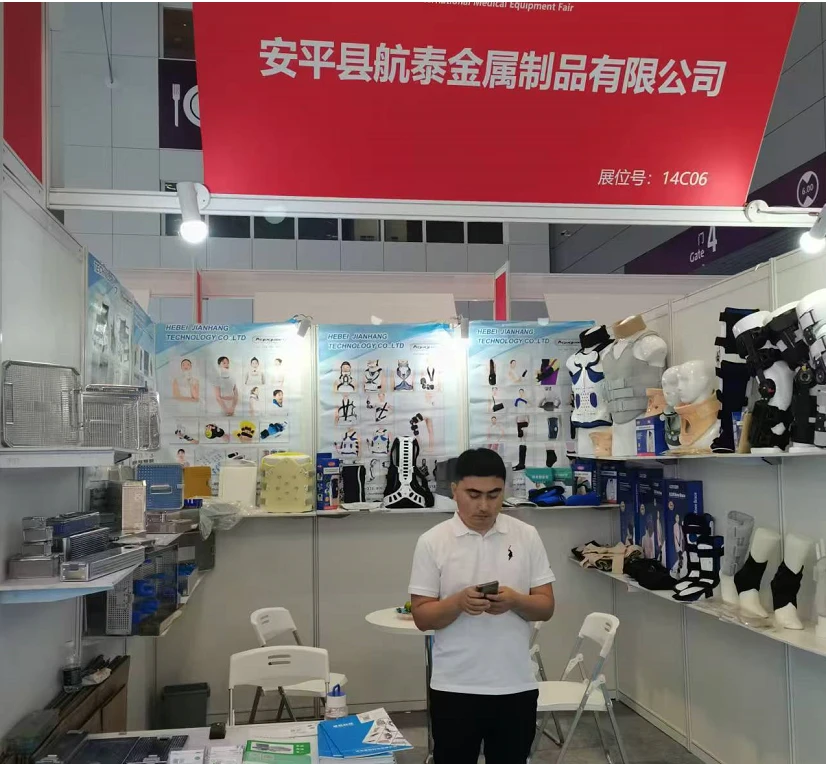


No.240 Xingying West Street,Anping County,Hebei Province,China


Have a question? Keep in touch.


Copyright © 2025 Hebei
Jianhang
Technology
Co.,Ltd.
All Rights Reserved. Privacy Policy


